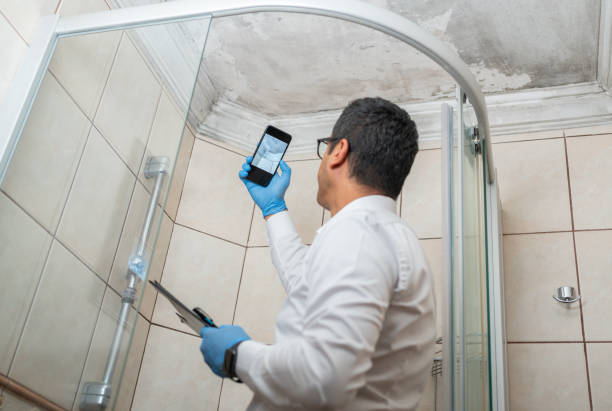
Mold Testing: What Homeowners Need to Know
Mold can grow undetected for months behind walls, under floors, and inside HVAC systems before you ever notice it. Understanding when and how to test for mold helps you catch problems early—before they become expensive remediation projects or health concerns.
Page Contents
When to Test for Mold
Not every situation requires testing. If you can see mold growth covering less than 10 square feet and know the moisture source, you can typically clean it up without a formal test. Testing becomes valuable when:
- You smell something musty but can’t find the source — air sampling can confirm elevated spore counts and point toward hidden growth
- Health symptoms improve when you leave home — chronic congestion, headaches, or respiratory irritation that clears up away from the property suggests indoor air quality issues
- You’ve had recent water damage — mold colonization can begin within 24 to 48 hours after flooding, leaks, or burst pipes
- You’re buying or selling a home — testing provides documentation for real estate transactions
- Remediation is complete — post-clearance testing verifies the job was done correctly
Types of Mold Tests
Different tests answer different questions. Choosing the right one depends on your situation.
Air sampling measures airborne spore concentrations throughout your home. This method detects hidden mold that releases spores into the air even when growth isn’t visible. It’s particularly useful for tracking down musty odors or verifying air quality after remediation.
Surface sampling identifies the specific mold species growing on a particular material. Swab or tape lift samples get sent to a lab for analysis. This matters because certain species like Stachybotrys chartarum (black mold) produce mycotoxins that pose greater health risks than common household molds.
DIY Kits vs. Professional Inspection
DIY mold testing kits cost between $10 and $50 and can confirm whether mold is present on a surface. However, they have limitations—most don’t measure airborne spore levels, and results can be unreliable without proper collection technique.
Professional mold inspectors use calibrated equipment and follow standardized protocols. They can identify moisture sources, check concealed spaces with thermal imaging, and provide lab-certified results that hold up for insurance claims or legal disputes. Professional testing typically runs $200 to $600 depending on the scope. certifiedmoldservices.com
Acting on Results
If testing reveals elevated mold levels, the next step is addressing the moisture source—mold cannot grow without water. Small areas of surface mold can often be cleaned with detergent and water. Larger contamination or growth inside wall cavities typically requires professional remediation.
Post-remediation testing confirms that spore levels have returned to normal before you close up walls or reinstall flooring.


