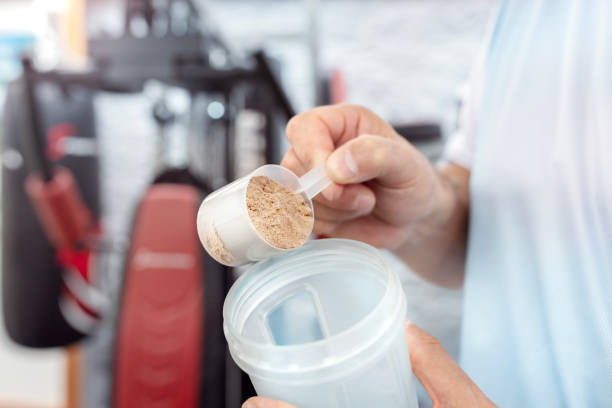
If you are already following a structured strength program with progressive overload and smart periodization, supplements can act as the “extra 10%” that pushes your performance further. Tracking how your strength changes across training phases is just as important as what you take. A tool like a resistance periodization app can help you organize your training blocks, monitor progress in key lifts, and see whether your supplement stack is really translating into better strength, power, and muscle over time.
When it comes to resistance training performance, not all supplements are created equal. The ones with the strongest scientific backing for strength, power, and hypertrophy are creatine and whey protein. Others, like caffeine and beta-alanine, can enhance energy, focus, or endurance. Then there are “support” supplements like BCAAs and glutamine, which may offer benefits in specific situations but are not essential for most lifters with a solid diet.
Below is a clear breakdown of what each does, how it helps, and what to keep in mind.
Page Contents
Creatine: The Gold Standard for Strength and Power
Creatine is widely recognized as one of the most effective and well-studied supplements for increasing strength and muscle mass. It works by increasing phosphocreatine stores in muscle, which helps regenerate ATP—the main energy currency your muscles use during short, intense efforts like heavy sets of squats or bench press.
How it helps your training:
- Lets you squeeze out more reps with a given weight
- Helps you handle heavier loads over time
- Increases total training volume, which is a key driver of hypertrophy
Most research supports daily doses around 3–5 grams, taken consistently, not just on training days. Creatine monohydrate is the form most studied in the literature and is generally recommended as the default choice for strength and power athletes.
Because creatine’s effects are cumulative, you will not “feel” it like a pre-workout stimulant. Instead, you’ll notice over weeks that you are lifting more weight, recovering better between sets, and progressing faster.
Whey Protein: Building and Repairing Muscle
Whey protein is essentially high-quality protein in a convenient format. It is rapidly digested and rich in essential amino acids, especially leucine, which plays a crucial role in stimulating muscle protein synthesis.
What it does for you:
- Makes it easier to hit your daily protein target for hypertrophy
- Supports muscle repair and growth after training
- Helps reduce muscle breakdown when paired with a good overall diet
You can use whey at any time of day—post-workout is popular, but it can also be a snack, part of breakfast, or a way to bump up protein in a low-protein meal. Whether you choose concentrate, isolate, or hydrolysate depends on budget, tolerance, and preferences, but from a muscle-building standpoint, total daily protein intake matters more than tiny differences between forms.
Caffeine: Focus, Drive, and Training Intensity
Caffeine is a central nervous system stimulant that many lifters already use without thinking about it—in coffee, energy drinks, or dedicated pre-workout formulas. It works by blocking adenosine receptors, reducing the perception of fatigue and increasing alertness.
Benefits for lifting performance:
- Raises mental focus and motivation to train
- Reduces how hard a workout feels at a given intensity
- Can increase power output and help you push through tough sets
Typically, people take caffeine 30–60 minutes before training. Effective doses vary widely depending on sensitivity, but many pre-workouts fall in the 150–300 mg range. It is important to watch total intake from all sources and avoid using it so late in the day that it disrupts your sleep—poor sleep will erase a lot of the benefits you are trying to gain.
Beta-Alanine: Pushing Through High-Rep Sets
Beta-alanine is a precursor to carnosine, a compound that helps buffer acidity in muscles. During intense efforts, hydrogen ion accumulation contributes to the burning sensation and fatigue you feel. Higher carnosine levels can delay this.
Where it shines:
- High-rep sets that last around 60–240 seconds
- Short rest periods and metabolically demanding work
- Accessory work, higher-volume blocks, or hybrid strength-conditioning phases
Like creatine, beta-alanine is taken daily and works over time, not just right before a workout. Many people notice a tingling sensation (paresthesia) shortly after taking it; this is generally harmless and tends to fade as you get used to it or when the dose is split.
BCAAs: Limited Use if Your Protein Intake Is Already High
Branched-chain amino acids (BCAAs) consist of leucine, isoleucine, and valine. Leucine in particular is important for triggering muscle protein synthesis. However, if you are already consuming adequate total protein—especially from high-quality sources like meat, eggs, dairy, or whey—then BCAAs often add little on top.
Where they might help:
- Fasted training sessions
- Very long workouts or endurance events
- Situations where your total protein intake is low or inconsistent
For most lifters with a good diet and possibly a whey shake in their routine, BCAAs are more of a “nice-to-have” than a game changer.
Glutamine: Immune and Gut Support More Than Muscle
Glutamine is the most abundant amino acid in muscle tissue and is commonly marketed as a recovery and muscle-building supplement. However, for healthy people who already eat enough protein, its direct impact on muscle growth is not particularly strong.
Where glutamine tends to show more promise is:
- Supporting immune function under heavy training stress
- Contributing to gut health in certain contexts
Because of this, some lifters still like to include it during intense phases of training or when they feel run down, but it should not be your first priority if your goal is strength and size.
The Big Picture: Supplements Support, They Don’t Replace the Fundamentals
All of these supplements work best when layered onto:
- A structured resistance training plan with progression and periodization
- Sufficient total calories and protein
- Recovery strategies: sleep, rest days, and stress management
Creatine and whey protein are the heavy hitters for strength and hypertrophy. Caffeine and beta-alanine can sharpen performance and endurance, especially around hard sessions. BCAAs and glutamine sit more in the “context-dependent” category.
Before adding anything new—especially if you have medical conditions or take medications—it is wise to talk with a healthcare or sports nutrition professional. Used wisely and tracked alongside a well-designed training plan, supplements can be a powerful finishing touch on top of smart lifting, not a shortcut around it.